
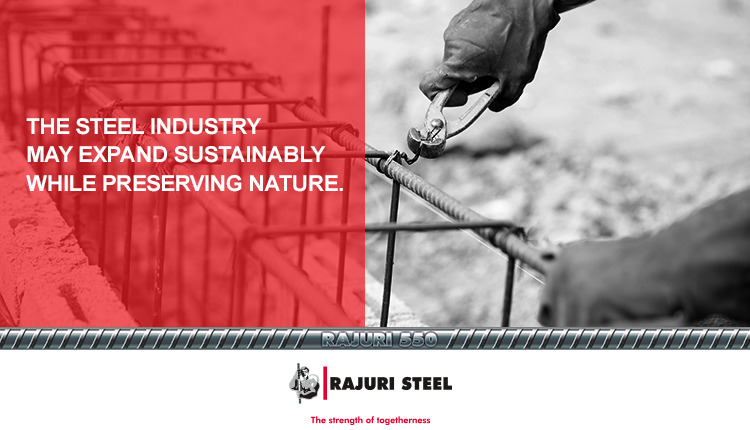
Steel is one of the most environmentally friendly materials available, yet decarbonizing it is still difficult. The energy transformation as well as other worldwide sustainability initiatives depend on steel for continuing economic growth. However, the steel industry is also among the most energy-intensive in the world, producing around 8% of all carbon dioxide emissions.
As the global decarbonization drive picks up speed, lowering these emissions is crucial for steelmakers. Steelmakers who act now to enhance the sustainability of operations can benefit from environmental, social, and governance (ESG) indicators to gain a competitive advantage and stay ahead of changing carbon restrictions.
By 2050, the global steel sector is anticipated to be responsible for around 35% of emissions brought on by fossil fuels. The industry is pushing harder to switch to the best decarbonization methods currently available. To hasten this shift, Rajuri Steel is aiming to scale up and early adopt new technologies.
Our strategies for the low-carbon transition, reducing reliance on freshwater consumption, pollution control, maximizing value from waste, investigating opportunities in the circular economy, and enhancing biodiversity throughout the value chain serve as the foundation for our approach to managing natural capital. We are devoted to protecting natural resources, guaranteeing sustainable growth, and building good partnerships with communities. To do this, we are utilizing digital technologies.
Reducing our water footprint is another crucial component of guaranteeing sustainable manufacturing. Throughout the entire process of manufacturing steel, water is employed in cooling operations, descaling, and dust cleansing. Despite the fact that the steel industry consumes a lot of water, the majority of it is reused or returned to the source. The sector is also incorporating international best practices like “zero effluent discharge,” the use of cyanide bacteria for the treatment of wastewater in factories, and on-site power generation.
Steel is one of the most durable, sustainable, and recyclable materials on the earth. Over the course of steel’s entire life cycle, investing in the development of a more environmentally friendly production method will pay huge environmental dividends.

All Comments:
The steel industry finds itself at a pivotal crossroads: its integral to global development and sustainability projects, but it’s also a significant contributor to global CO2 emissions. Rajouri Steel and other industry leaders must innovate and embrace sustainable practices to ensure the industry’s growth aligns with environmental preservation. Balancing the industry’s carbon footprint with its crucial role in the world is the challenge of our times.