
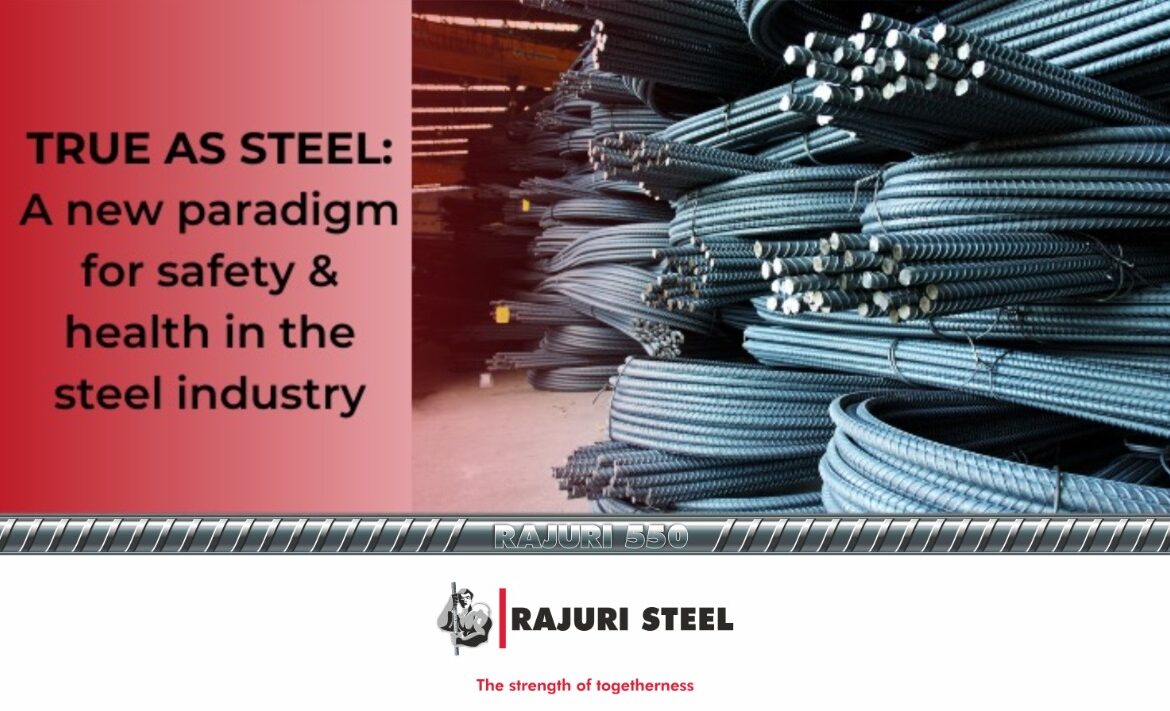
“Nothing is more important than the safety and health of people who work in the steel industry.” – World Steel Association
Steel is ubiquitous in our lives. From kitchen utensils to buildings and a lot of things in between, no aspect of our life remains untouched by steel.
There was a time when making steel was considered so dangerous that accidents were seen as part of the process! Today, it is highly mechanized and automated, eliminating most hazards of the past. The steel industry employs over 6 million people globally. Data collected over the past decades shows that the steel industry’s safety record has improved steadily over the years. According to the World Steel Association, the injury rate per million hours worked decreased by 82.3% over the past 15 years (2006-2020). Although the figures are promising, steel industry workers still get routinely injured and alarming accidents happen every year since safety conditions vary widely in plants worldwide.
Industrial Safety & Steel
In general, industrial safety is the sum of policies, procedures, standards, and protocols for protecting workers and the workplace from hazards and accidents that risk life and limb. Industrial safety is important not only because of the human factor but also because it impacts the processes, cost, quality, time, and delivery of products. It is reviewed periodically by safety experts to ensure continuing safety.
Safety in the iron & steel industry implies avoiding, preventing, and relieving hazards and injuries resulting from the production process.
As per the World Steel Association, “the steel industry is committed to achieving the goal of zero harm – an injury-free and healthy workplace for employees and contractors.” Every accident being avoidable, eliminating injury and fatality is the crucial challenge for the steel industry.
Principles and Focus Areas for Safety and Health in the Steel Industry
In pursuance of its goal, the World Steel Association has laid down the following six principles of health and safety:
- Safety at work is an essential condition of employment.
- All work-related injuries and illnesses are preventable.
- Safety training and engagement of all employees are essential.
- Safety and health must be made an integral part of all business processes.
- Managers are accountable for employees’ safety and health.
- Excellence in safety and health enables excellence in business performance.
Four focus areas that must be considered for complete safety and health management have been identified as follows:
- Strong safety culture and leadership in the organization to inculcate attitudes and behaviors in all employees that help achieve an accident-free workplace.
- Occupational safety management focuses on preventing exposure to workplace hazards at a primary level.
- Occupational health management includes the physical, mental, and social well-being of employees. It focuses on the long-term effects of exposure to health hazards and the risk of developing various disorders due to it.
- Process safety management mixes engineering, operations, and management skills to prevent dangerous accidents that may happen due to mishaps in the production process, such as fires, explosions, toxic spills, etc.
Safety Culture and Leadership
Out of the above four focus areas, greater attention is being given to improving safety culture and leadership, as the global steel industry identifies this as the most important aspect.
In 2022, the World Steel Association created a set of practical and comprehensive recommendations to improve the culture of safety in steel plants around the world. These four fundamentals aim to establish a common, uniform safety and health framework for all countries:
01: Ensure the organization at all levels has the right mindset about safety and health.
02: Educate organizational leaders on how to create a safer working environment.
03: Foster reliability through proactive learning and involve workers in all safety and health activities.
04: Build upon organizational successes and strengths.
Conclusion
Steel manufacture involves several inherent risks and hazards. Managing them is a complex and challenging task, as it involves the protection of not only employees but also organizational assets, communities, and the surrounding environment. Technological development and new, improved approaches will bring us nearer to the goal of a zero-injury workplace in the steel industry.

All Comments:
Here are some comments on the passage:
Title Appreciation: The title “TRUE AS STEEL: A New Paradigm For Safety and Health In The Steel Industry” is compelling and immediately communicates the emphasis on safety. The phrase “True as Steel” connotes something that is unbreakable and reliable, which fits well with the theme of the article.
Opening Quote: Starting with a quote from the World Steel Association effectively grounds the article in authority from the get-go, immediately giving weight to the forthcoming points.
Contextual Setting: The mention of steel’s prevalence in our everyday lives is a great way to connect with the reader. Most people may not realize how pervasive steel is, and this offers a relatable point of contact.
Historical Insight: Highlighting the historical dangers of the steel industry serves as an effective contrast to its current state. It would be helpful to provide a brief anecdote or example from the past to further illustrate this point and engage the reader.
Statistics: The use of specific data, like the 82.3% decrease over 15 years, adds credibility to the article. Such statistics offer a tangible measure of progress. However, ensuring that sources for such data are cited would enhance its credibility.
Global Perspective: The mention of the global workforce and varying safety conditions worldwide is crucial. This ensures the reader understands the scale and variability of the challenge, making it clear that there’s no one-size-fits-all solution.
Possible Improvement: Consider adding a segment on the innovative technologies or strategies that have contributed to this decrease in injury rates. This could offer a more holistic view of the reasons behind the improvements.
Conclusion Thought: It might be beneficial to close this passage with a call to action or a forward-looking statement. Highlighting the need for continued emphasis on safety standards or discussing future technologies that could further improve safety would leave the reader with a lasting impression.
Overall, the passage provides an informative snapshot of the safety and health conditions in the steel industry. It balances historical context with current data, making a compelling case for the continued importance of safety in this sector.